How Marriott’s joint venture with Italian brand Lefay points to the global expansion of luxury wellness hospitality.
The world's largest hotel operator is betting on a luxury wellness property model that serves both the guest traveling for wellness and the guest traveling for leisure.
Will people travel for wellness, or for leisure? The new joint venture between Marriott and Italian luxury wellness brand Lefay is designed to attract both types of traveler.
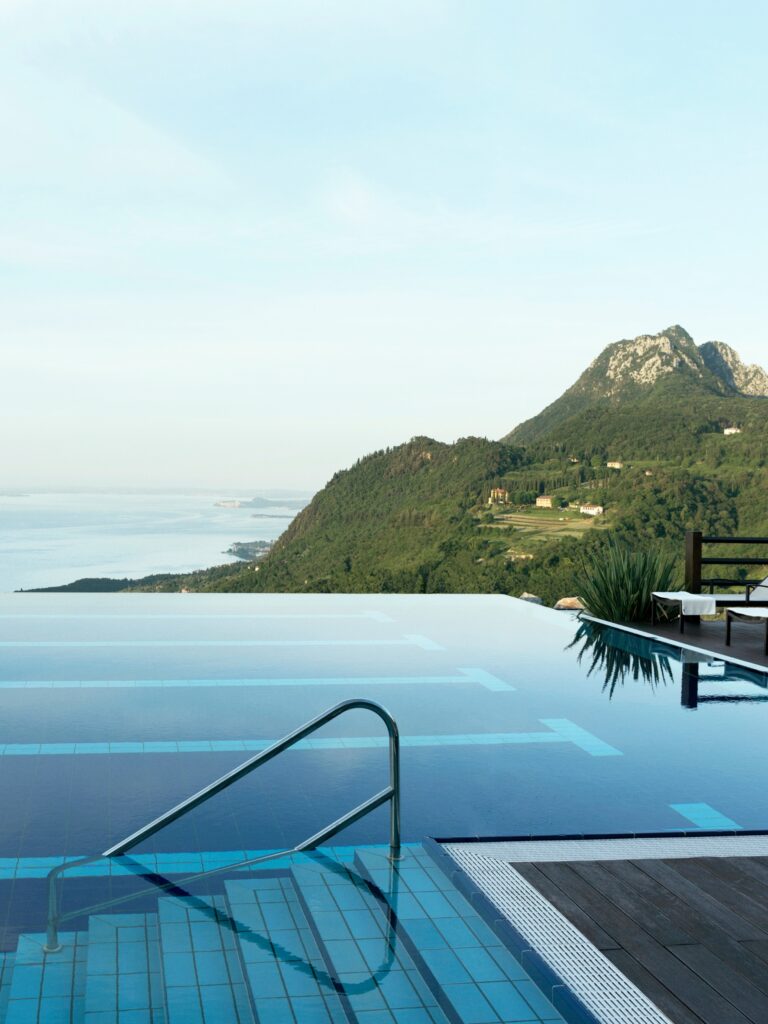
Announced at the end of March 2026, the deal brings Lefay‘s two existing Italian resorts, on Lago di Garda and in the Dolomites, together with three pipeline properties in Tuscany, Southern Italy, and the Swiss Alps into the Marriott portfolio. Lefay becomes the first brand in Marriott‘s collection dedicated exclusively to luxury wellness, joining The Ritz-Carlton, St. Regis, EDITION, and The Luxury Collection.
What makes the deal worth paying attention to is not the scale of Marriott‘s wellness ambition, which has already been visible across the hotel industry. It is, indeed, the specific kind of property Marriott has chosen to build this category around.
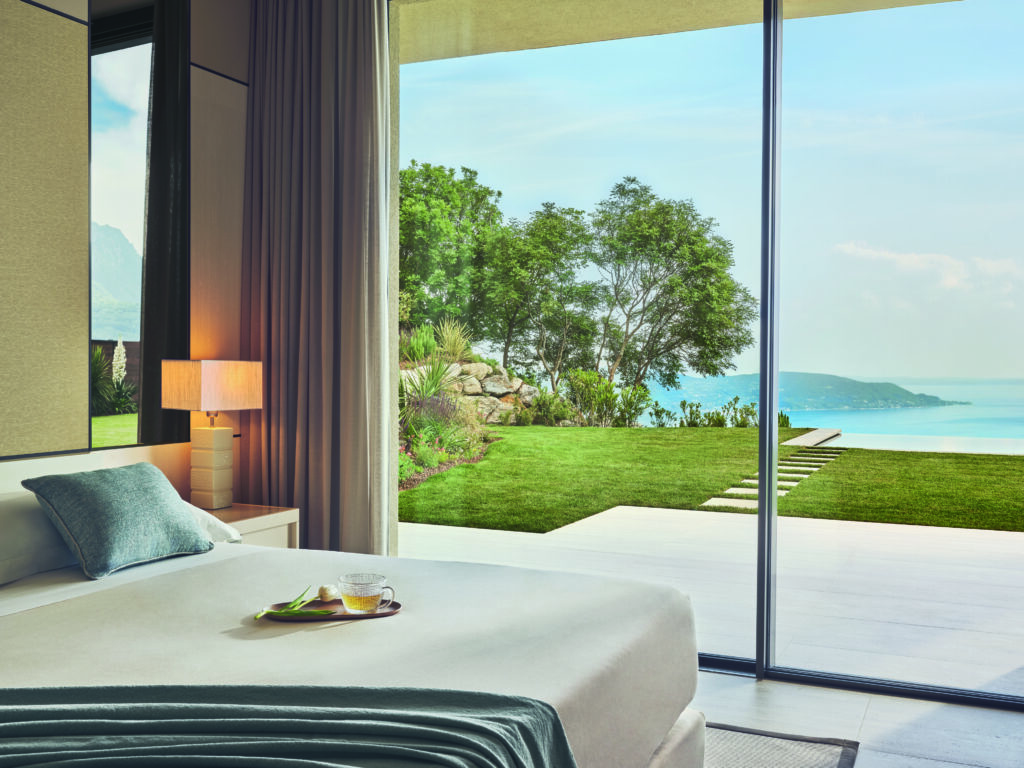
Courtesy of Lefay | Marriott International, Inc.
A New Category: Between Clinical Wellness and Luxury Leisure
Lefay sits between two established models: the clinical wellness destination, where guests arrive for a protocol, and the luxury resort with an impressive spa. The brand’s properties are built on the philosophy that wellness is the new luxury. They shape the guest experience around space, architecture, and a broader environment that supports the proprietary Lefay SPA Method. Guests can choose between à la carte treatments or structured multi-day wellness programs.
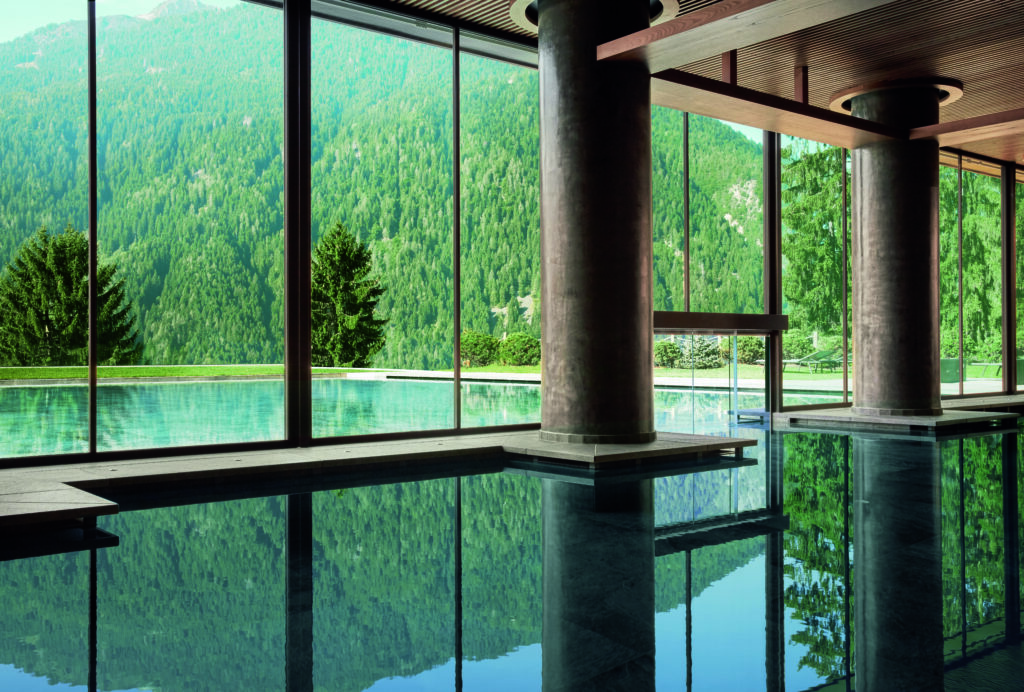
Courtesy of Lefay | Marriott International, Inc.
Designed Around Wellbeing
Lefay buildings are designed around indoor-outdoor flow, using natural materials, and integrated with the surrounding landscape. The result is an atmosphere that supports wellbeing without feeling clinical. A guest arriving for ten days of nutrition and movement programming, and a guest arriving for a quiet lake holiday with exceptional food, can both feel that the place was made for them.
The ability to welcome both kinds of traveler is what makes this deal special. It also explains why the three pipeline properties in Tuscany, Southern Italy, and the Swiss Alps do not feel random. They point toward a clear expansion strategy. We see the joint venture as a template for future growth across nature-rich leisure destinations with strong wellness potential. It is a model Marriott can replicate globally in landscape-driven settings, from African safari lodges to the Japanese Mountains to Patagonia.
What the Marriott-Lefay Deal Signals for the Industry
The broader signal to the hospitality industry is clear. The world’s largest hotel operator is betting on a luxury wellness property model that serves both the guest traveling for wellness and the guest traveling for leisure.
For architects, operators, and owners in the wellness hospitality sector, the question may no longer be only about design and treatments, but whether a property’s architecture can credibly support both wellness and leisure at the same time.