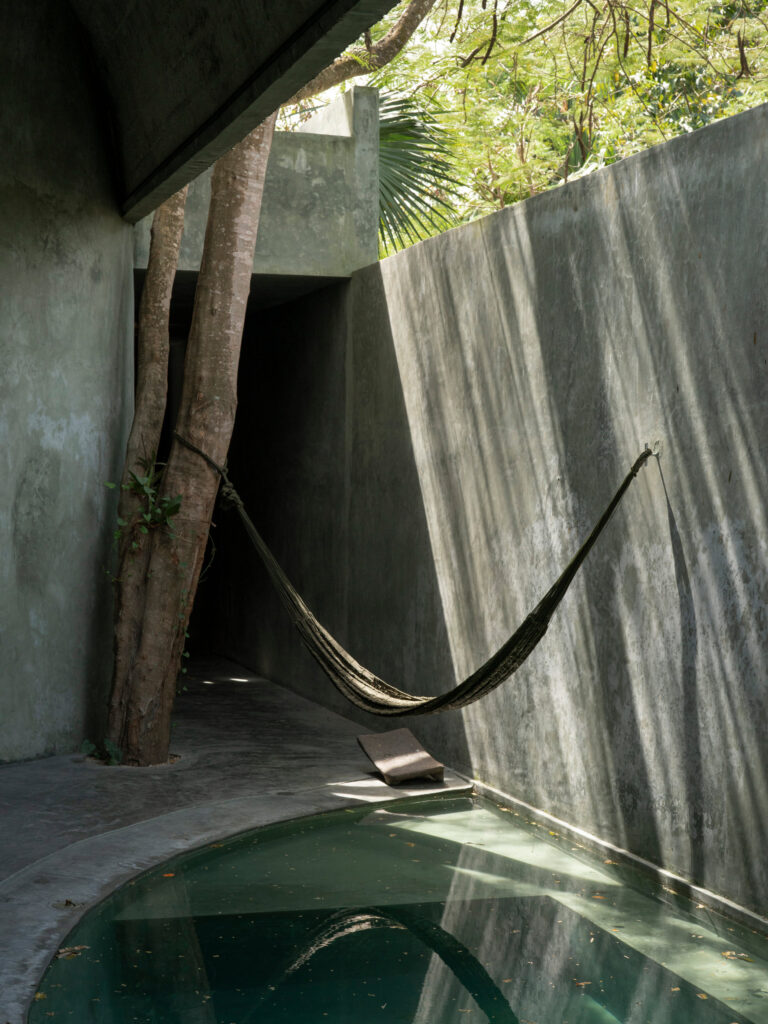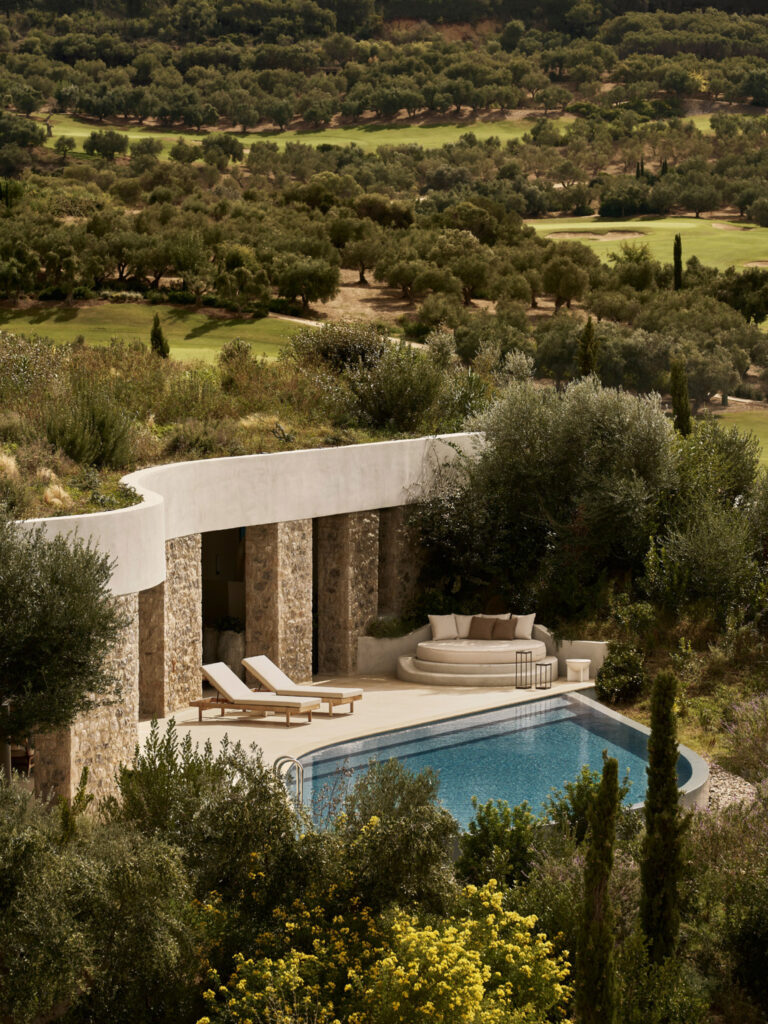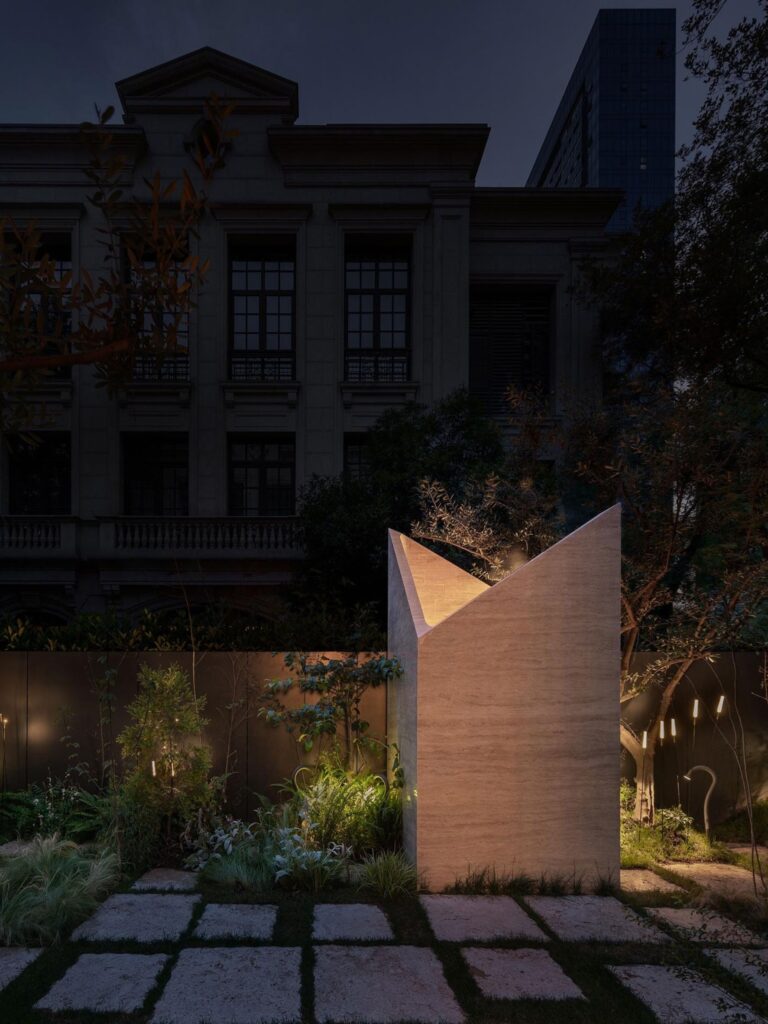
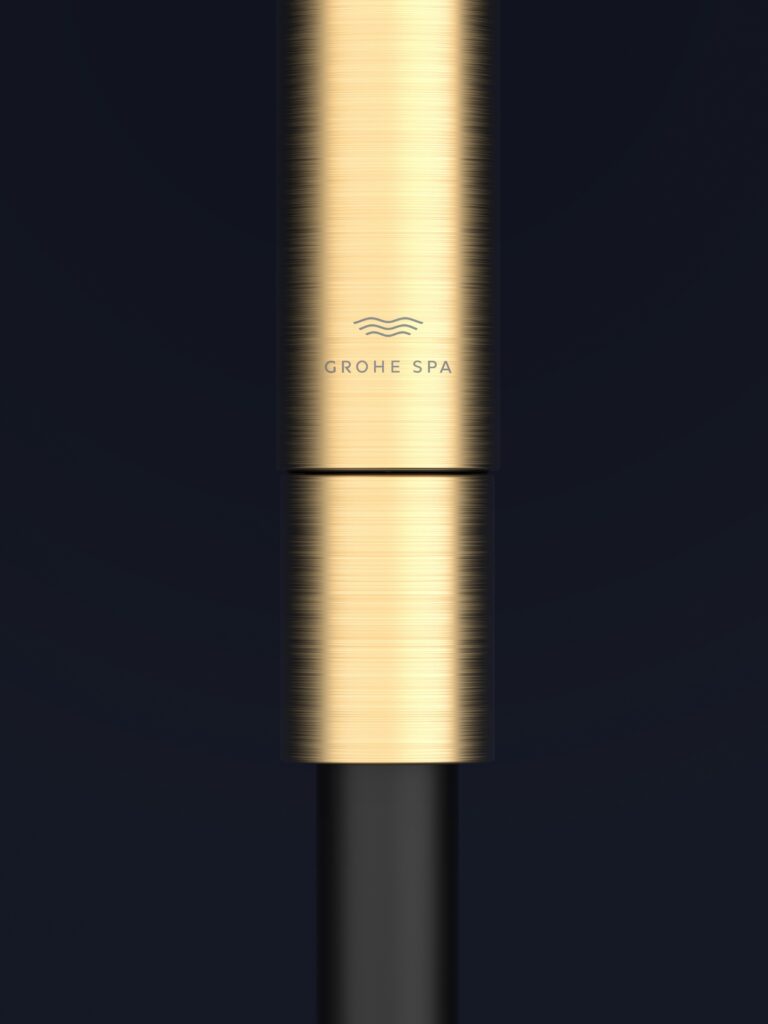
The launch of GROHE SPA suggests spa and wellness have moved past decoration and into the supply chain of hospitality design.
GROHE SPA stake out wellness as a serious part of contemporary design thinking.
There is a difference between a trend and a structural shift. One changes the mood of an industry and opens up a marketing opportunity. The other changes what actually gets built, and what people quietly start expecting as standard.
The launch of GROHE SPA sits firmly in the second category. When GROHE, an 89-year-old global manufacturer long associated with bathroom and kitchen solutions, develops a dedicated ultra-premium sub-brand around “Wellbeing Through Water,” that tells you wellness hospitality is no longer sitting at the decorative edge of the design industry. It has moved into the supply chain.
The numbers back this up. According to the Global Wellness Institute, wellness real estate is the fastest-growing segment of the $6.3 trillion global wellness economy, rising from $225.2 billion in 2019 to $438.2 billion in 2023, with forecasts approaching $912.6 billion by 2028. That works out to an 18.1% annual growth rate, more than three times the 5.1% rate of global construction overall. People are no longer only buying wellness as an experience. They expect it to be built into the places they live, the hotels they stay in, and the rhythms of everyday life.

Courtesy of GROHE
GROHE SPA reads as a response to exactly that shift. The sub-brand positions the bathroom as a more restorative part of daily living, using “Wellbeing Through Water” to frame water as something genuinely central to how people unwind, reset, and feel better. Developed by LIXIL, it has been built for architects, interior designers, and high-end showrooms, with products centered on customization, immersive spatial experience, and a design language aimed at the professionals shaping spaces for rest and recovery.
The US debut at the World Architecture Festival (WAF) in Miami only reinforces the point. GROHE used the moment not simply to introduce products, but to stake out wellness as a serious part of contemporary design thinking, and the timing feels right. In hospitality especially, wellness has moved well beyond novelty. The stronger projects already understand that guests are not just looking for treatments or amenities. They are looking for environments that help them regulate, recover, and feel better in ways that last longer than the stay itself.
For WDC, that is the real takeaway. When a major global manufacturer builds an entire sub-brand around spa and wellness, it suggests the sector has reached a new level of seriousness.