A look at Capella Kyoto, designed by Kengo Kuma and Associates with interiors by Brewin Design Office, and what its quiet confidence signals for Asian design.
Across fashion, gastronomy, and design, a new generation of Asian talent is no longer being read as the regional alternative. They are quietly setting direction...
For fifty years, the global luxury industry has spoken about Asia mostly through western lenses. Many great hospitality brands of the last half-century, from Aman to Park Hyatt to Ritz-Carlton, have largely been interpreted by global hospitality operators. The same was true of fashion and design more broadly. Asian work was judged by how well it traveled into western frameworks. That order is perhaps now changing, and Capella Kyoto is one of the clearer signs of it.
Capella Hotels and Resorts is a Singaporean luxury hotel group, founded in 2001 by Horst Schulze, the former president of Ritz-Carlton. The company is headquartered in Singapore. Its portfolio stretches across Singapore, Bangkok, Hanoi, Shanghai, Sydney, the Maldives, and now Kyoto. The interiors of Capella Kyoto are designed by Brewin Design Office, the Singaporean interior studio led by Robert Cheng. The architecture is by Kengo Kuma and Associates, the renowned Japanese architect, while the project was developed by Japanese real estate company NTT Urban Development. The hotel sits within an Asian interpretive lens from beginning to end.
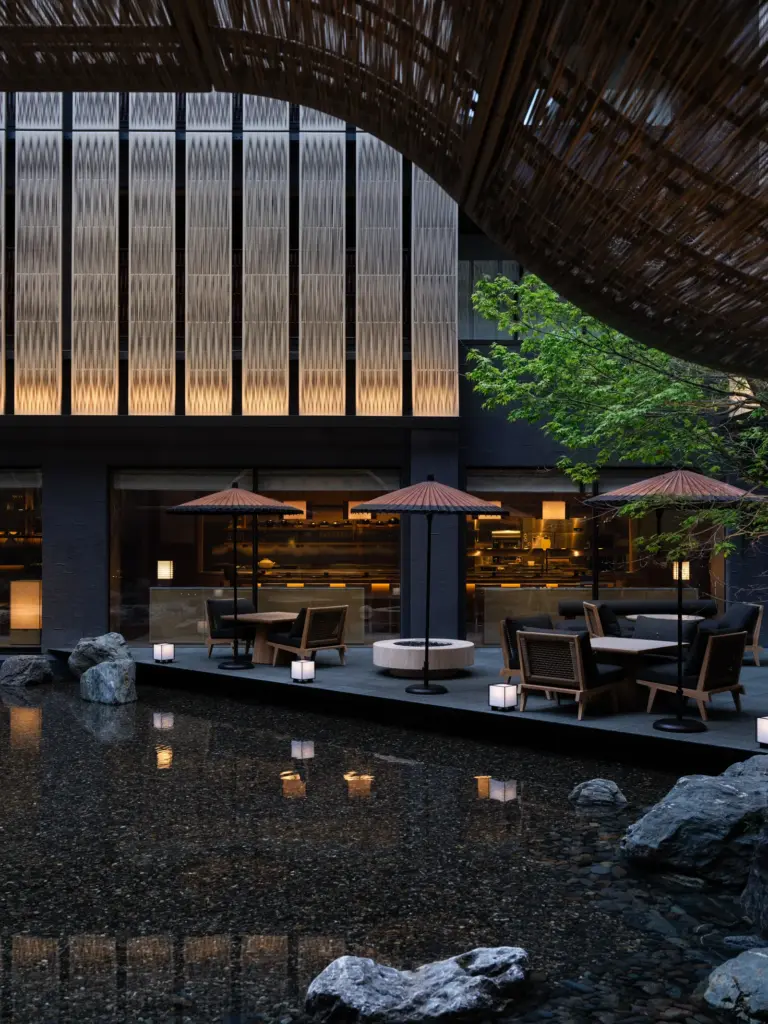
Courtesy of Brewin Design Office (Interior Design)
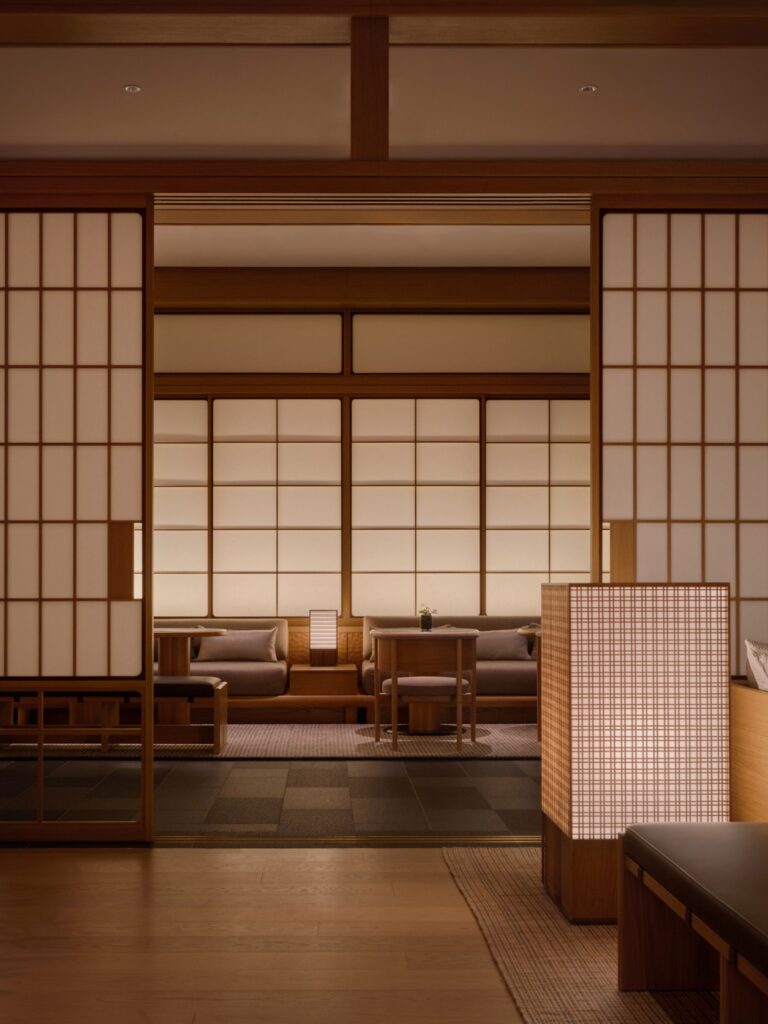
The result reads differently, and it is worth noticing how Brewin Design Office keeps the spaces layered and atmospheric, taking cues from the machiya, the traditional Kyoto wooden townhouse. In the rooms, carpets carry the gentle ruled pattern of tatami, not as imitation, but as a subtle reference to Japanese architectural language. Hinoki cypresswood baths sit in the suites. Woven panels carry calligraphy by the Okinawan artist Daichiro Shinjo, made with the seventeenth-century Kyoto kimono house Hosoo. The interior design allows Kyoto to speak through texture, proportion, and material rather than through performance.
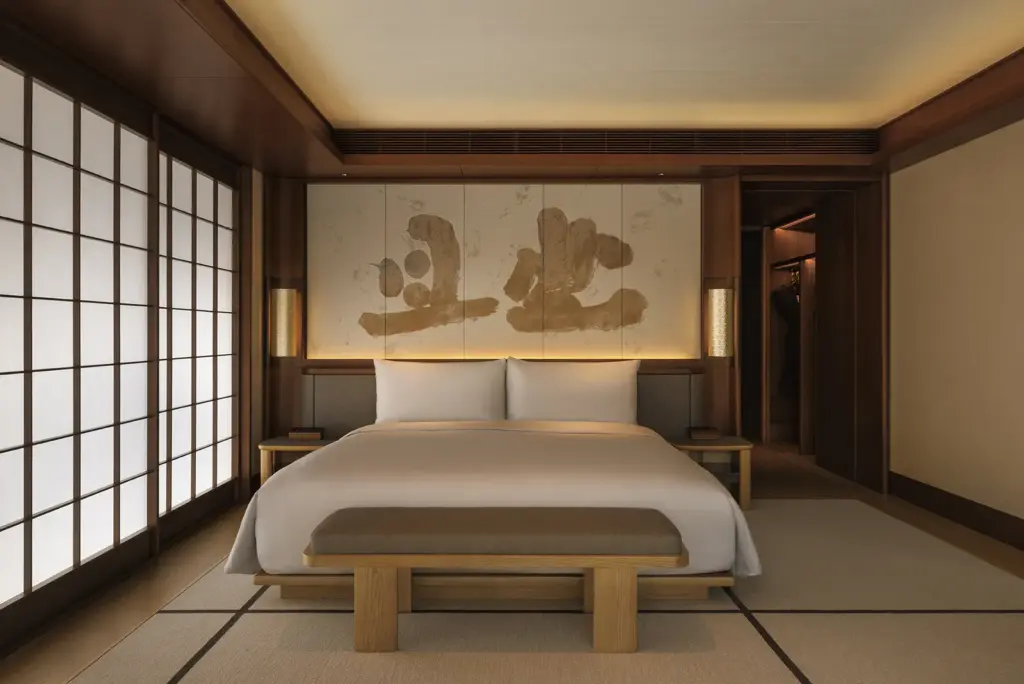
Courtesy of Capella | Brewin Design Office (Interior Design)
The shift goes well beyond hospitality. Across fashion, gastronomy, and design, a new generation of Asian talent is no longer being read as the regional alternative. They are quietly setting direction, no longer explaining Asia to the world, but increasingly defining what the contemporary design landscape can look like for everyone.
Capella Kyoto sits inside this shift. The hotel does not need to explain itself, because the people who designed it understand the cultural language of the place. The future of luxury hospitality and global design will increasingly involve Asian brands, studios, and artisans interpreting their own continent’s heritage for international audiences. Capella Kyoto stands as one example of what comes next.