A look at Zara Home Gym Collection, the studios that built this visual language before it, and what its arrival on the high street might mean for luxury wellness design.
The cultural moment in wellness is real enough that mass retail is now adopting it too. Zara Home Gym Collection has taken the visual codes of luxury wellness and made them accessible.
For most of our recent memory, the home gym had an image problem. It lived in the garage, or in a spare room nobody really used. The yoga mat was rolled away after class. The dumbbells got pushed under the table. Fitness was allowed into the household on the condition that it did not disturb anything else. The earlier aesthetic also spoke largely to a more masculine audience, with a black and grey tone built around power and performance.
The current Zara Home Gym Collection suggests something different.

Courtesy of Zara Home
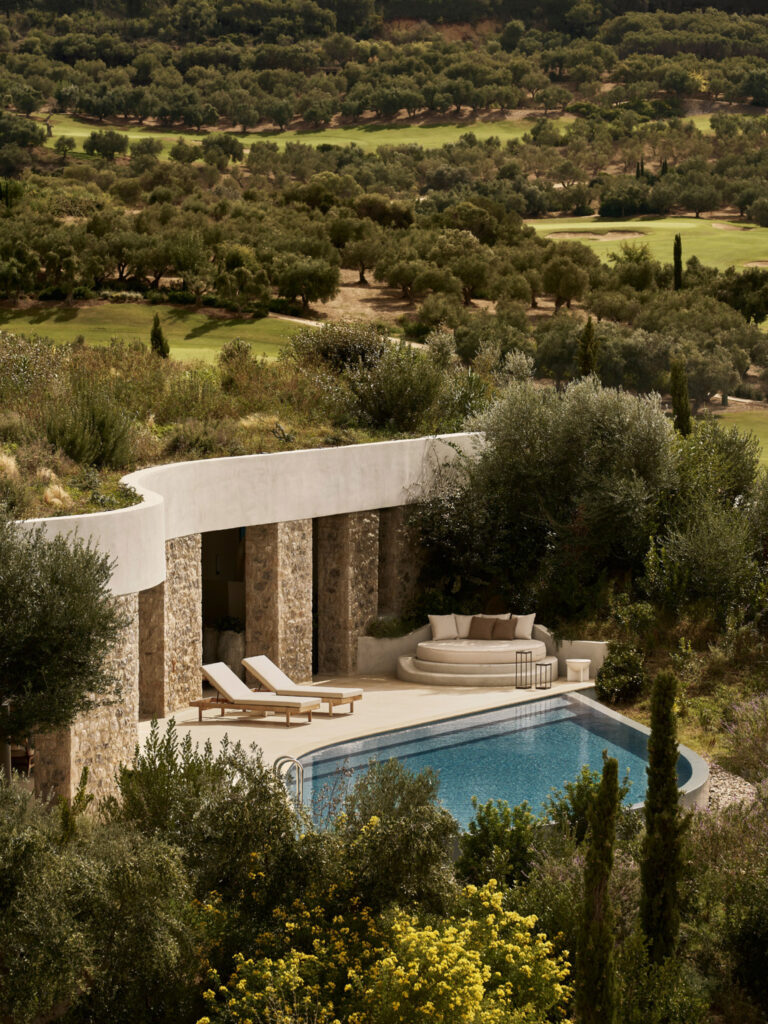
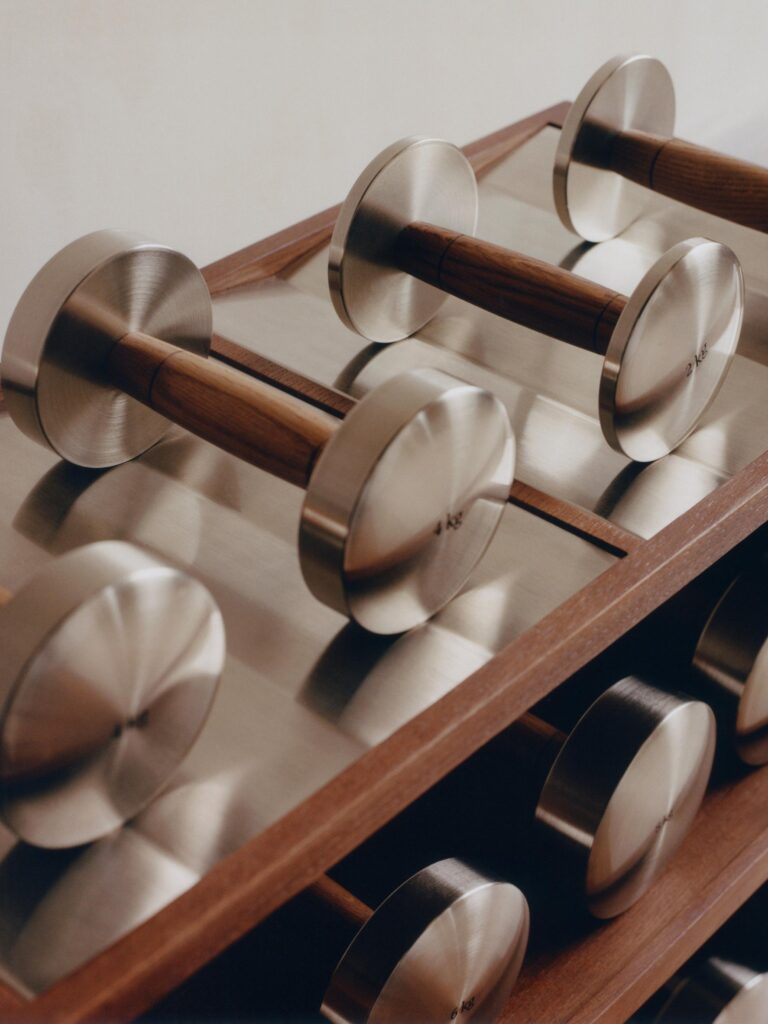
Now in 2026, the Zara Home Gym Collection introduces warm wood, leather, cork, and a softer palette that resembles the language of contemporary luxury wellness design, but at a more accessible price point. This visual language is not new. It was built quietly, over two decades, by a handful of studios working at the top of the market. NOHRD, manufactured in Germany, has led the category since 2008, turning oak, ash, walnut, and cherry into rowing machines, wall bars, and dumbbell racks for close to two decades. Technogym, FYSIK, and other design-led fitness brands have been working in a similar register. Until very recently, this was a conversation that lived exclusively inside luxury resorts, private clubs, and the kind of homes you find in Los Angeles.

Courtesy of Zara Home
Zara Home, as always, understands its customer. The brand has translated that vocabulary into something a design-conscious household can buy on a Saturday afternoon. The collection includes leather skipping ropes, cork yoga blocks, wooden weight plates, an adjustable leather bench, and oak wall bars. The campaign features Sarah Jade, a wellness therapist who is also a creative director of GS Collection, the Italian hospitality group behind G-Rough Rome and Palazzo Daniele. Which tells you something about where Zara Home is looking for its references.
This means the design language has been validated, and the cultural moment in wellness is real enough that mass retail is now adopting it too. Zara Home Gym Collection has taken the visual codes of luxury wellness and made them accessible.
The more interesting question, at least to us, is what the softening of the visual register actually means. Is the look of wellness becoming less masculine because the conventions of fitness are genuinely shifting, or because the market has finally understood how much of modern wellness culture is shaped by female consumers? And does this style settle into the design canon the way brutalism or mid-century modernism did, or do we look back on it in ten years and place it neatly on the shelf as a moment of the late 2020s?
What seems worth mentioning is that luxury wellness design is no longer being defined only by resorts, boutique hotels, and private clubs. Instead, it is being pulled into the ordinary living room, with Zara Home making it available to a wider audience.