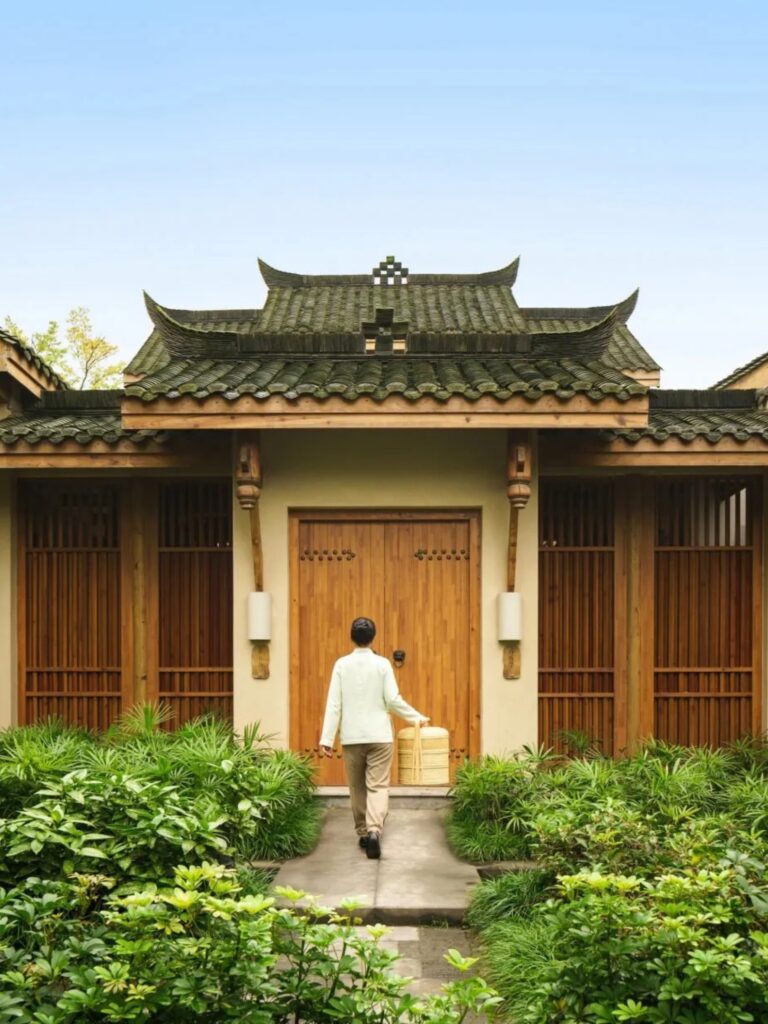
Many of the most inspiring Six Senses resorts were designed by one Thai firm. Habita Architects, founded in Bangkok by Krisda Rochanakorn, is the studio quietly setting a global standard for wellness hospitality.
Wellness hospitality is most often discussed through the language of brands and destinations. Behind many of these places, however, are the people whose names are not yet as widely known as the experiences they helped create.
There are hotels people book for their availability, and there are hotels people quietly keep on a private list, telling themselves they will visit one day. Six Senses belongs to the second list.
The brand Six Senses has become a reference point for a particular kind of luxury wellness hospitality. One built around privacy, landscape, and the idea that a stay can restore more than the body. In the global wellness hospitality industry, Six Senses has shaped what many resorts now want to look like, and more importantly, feel like.
What very few people know is that many of the most inspiring Six Senses properties across Thailand, Vietnam, the Maldives, China, and Bhutan were designed by one Thai architecture firm: Habita Architects.
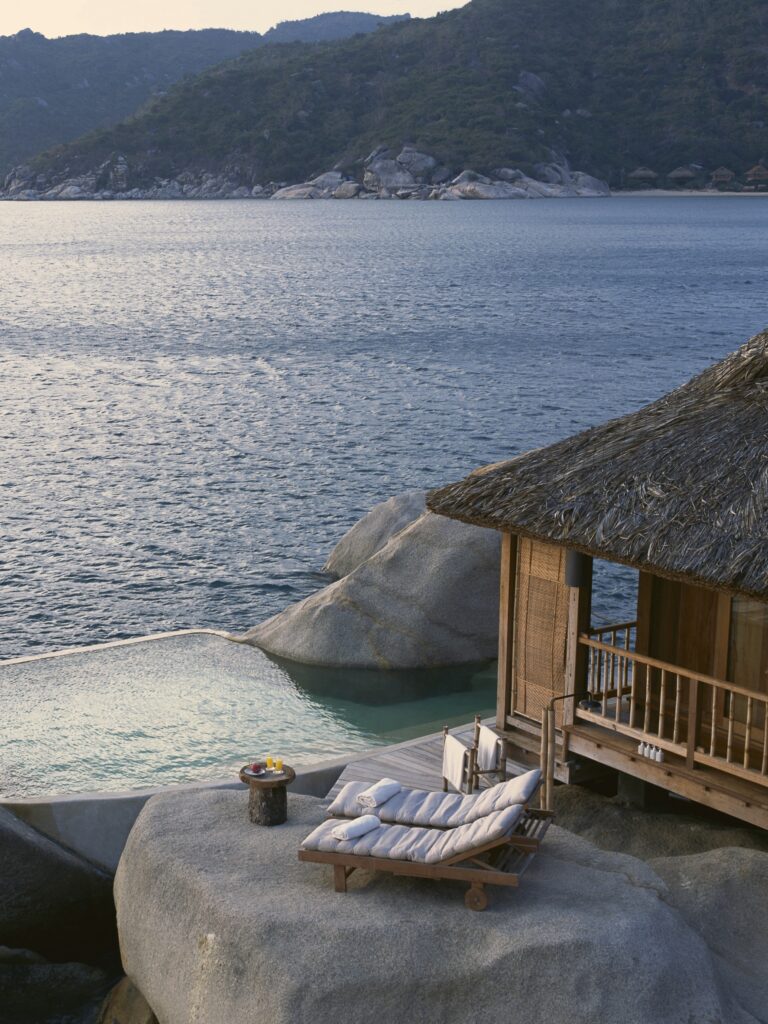
Courtesy of Six Senses Hotels Resorts Spas
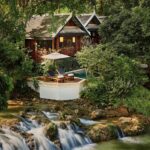
Habita Architects, founded and headquartered in Bangkok, is the studio behind seven Six Senses properties: Six Senses Yao Noi, Six Senses Hua Hin, and Six Senses Sanctuary Phuket in Thailand, Six Senses Ninh Van Bay in Vietnam, Six Senses Laamu in the Maldives, Six Senses Qing Cheng in China, and the five-lodge Six Senses Bhutan circuit threading through Thimphu, Paro, Punakha, Gangtey, and Bumthang.
This is the part of the story the hospitality design industry rarely mentions. The properties that shape how the world now expects wellness hospitality to feel are being designed by Asian studios, and in this case, by a Thai one.
Krisda Rochanakorn, Founder of Habita Architects, describes a practice that begins not with a building but with a place.
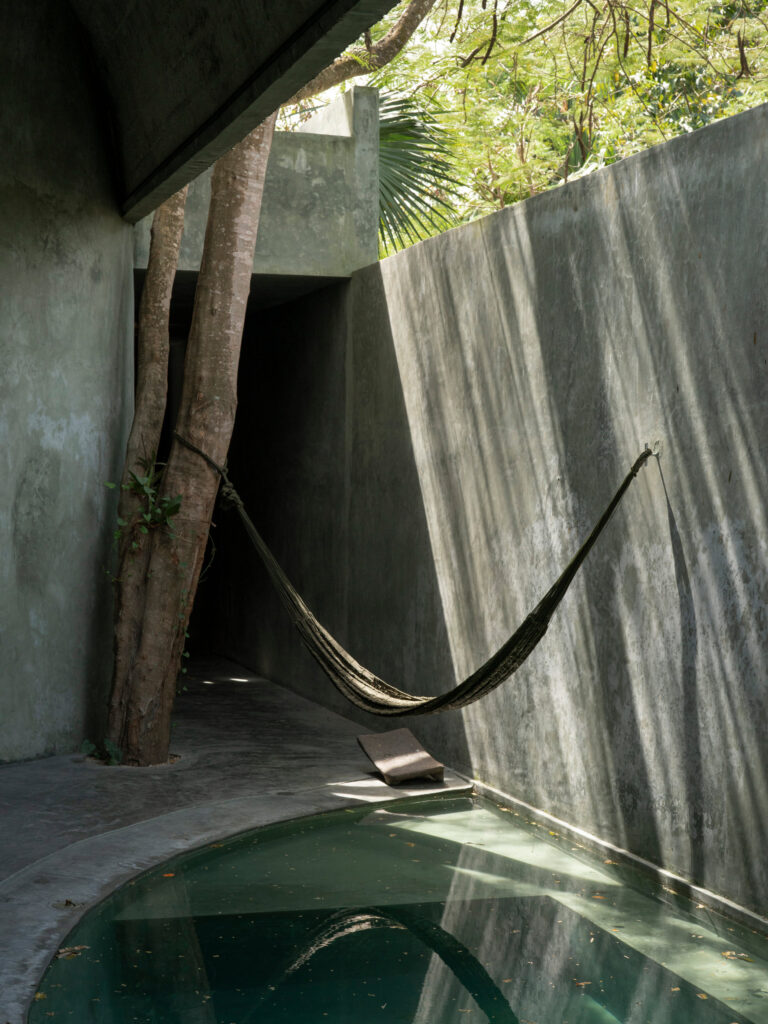
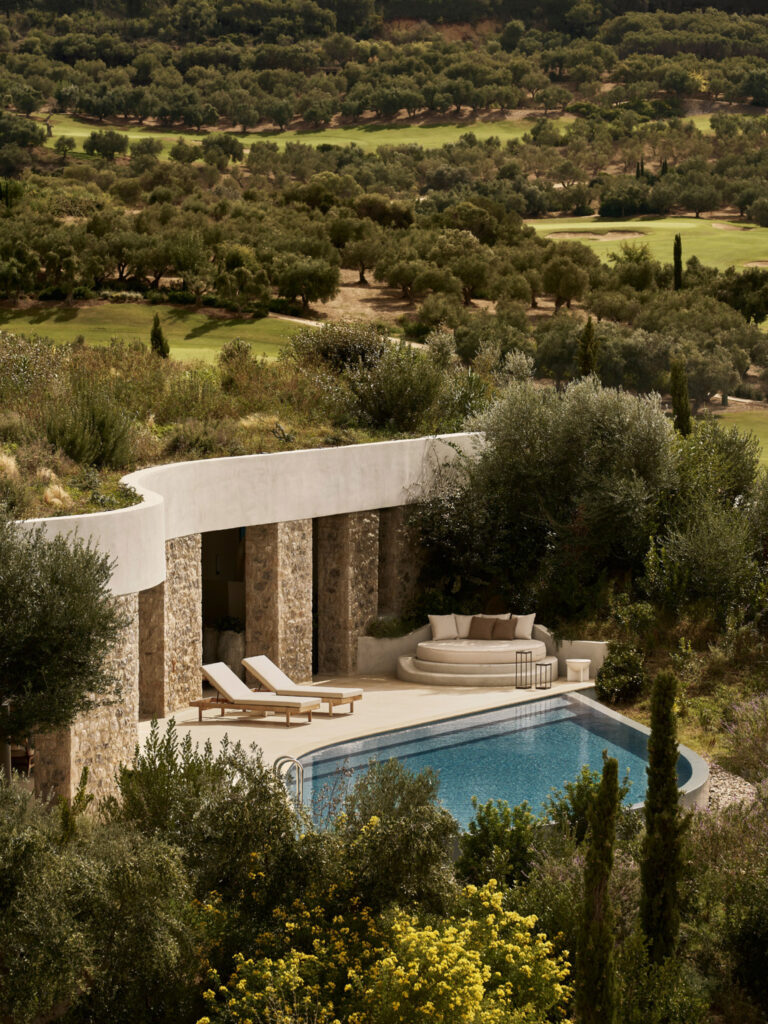
“Every location possesses its own unique history, context, and narrative. In our professional practice, we deeply respect the “spirit of place” inherent to each site. We conduct comprehensive, multidimensional studies of the environment, consistently presenting architectural content tailored to its specific setting. Consequently, our body of work serves as a reflection of the landscape through architecture.”
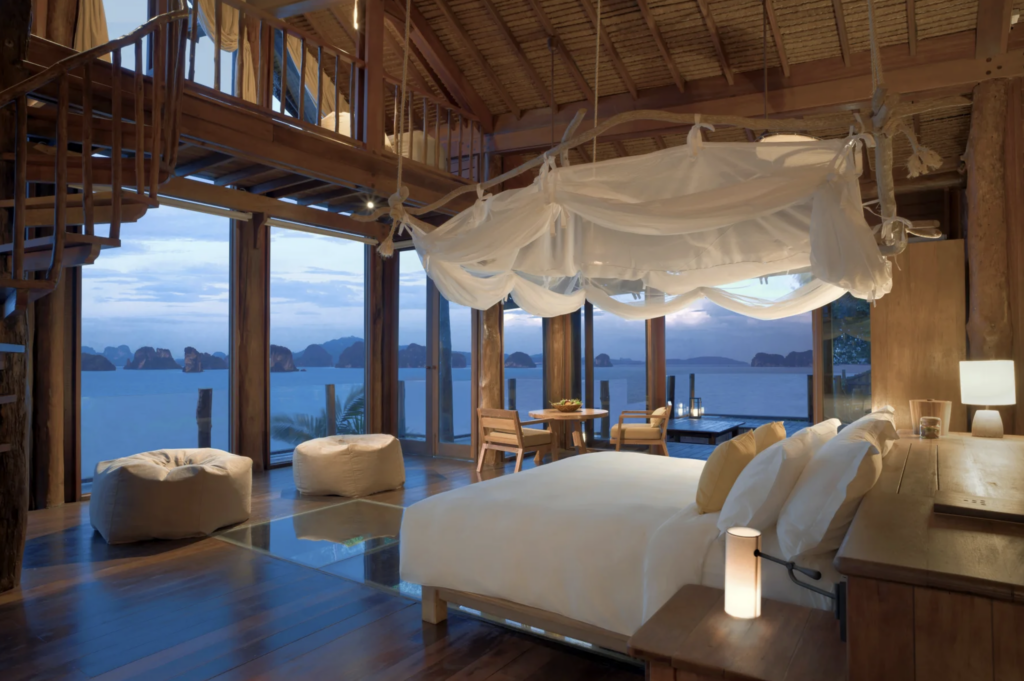
Courtesy of Six Senses Hotels Resorts Spas
We have written before about Capella Kyoto, and how a Singaporean interior design team allowed Kyoto to speak through its own cultural language rather than through a western interpretation. Habita Architects and Six Senses are the same story told from another angle. A Thai architecture studio has been setting a standard for a global audience that has yet to learn its name. Great hospitality design tends to disappear when it works. Guests remember the feeling and they remember the experience, rarely the architect or the operators. And yet, increasingly and quietly, the properties defining luxury wellness hospitality at its highest level are the work of Asian studios. Habita is one of them.
Asked to reflect on the work the studio has built with Six Senses, Rochanakorn puts it simply.
“By weaving together local collective wisdom, environmental stewardship, and a deep respect for the landscape, our designs translate the ‘spirit of place’ into the enduring, sustainable luxury that defines the Six Senses ethos.”
Wellness hospitality is most often discussed through the language of brands and destinations. Behind many of these places, however, are the people whose names are not yet as widely known as the experiences they helped create.
That is changing. Asian architects, designers, and operators are no longer the alternative; they are confidently rising as the source of inspiration. Habita Architects and Six Senses are one example. Capella Kyoto was another. There will be many more, and at WDC, we intend to proudly name them as the next decade of the design and hospitality industry evolves.
The Essentials
Habita Architects is a Thai architecture studio founded and headquartered in Bangkok. It is the firm behind seven Six Senses properties across five countries: Six Senses Yao Noi, Six Senses Hua Hin, and Six Senses Sanctuary Phuket in Thailand, Six Senses Ninh Van Bay in Vietnam, Six Senses Laamu in the Maldives, Six Senses Qing Cheng in China, and the five-lodge Six Senses Bhutan circuit spanning Thimphu, Paro, Punakha, Gangtey, and Bumthang. The studio is led by Krisda Rochanakorn, whose practice centres on the “spirit of place,” studying the history and environment of each site so that the architecture reflects its landscape. Across its body of work with Six Senses, that approach turns local wisdom and environmental stewardship into the kind of sustainable luxury that defines the brand.