For WATG, preservation became a design method on an eco-sensitive island resort.
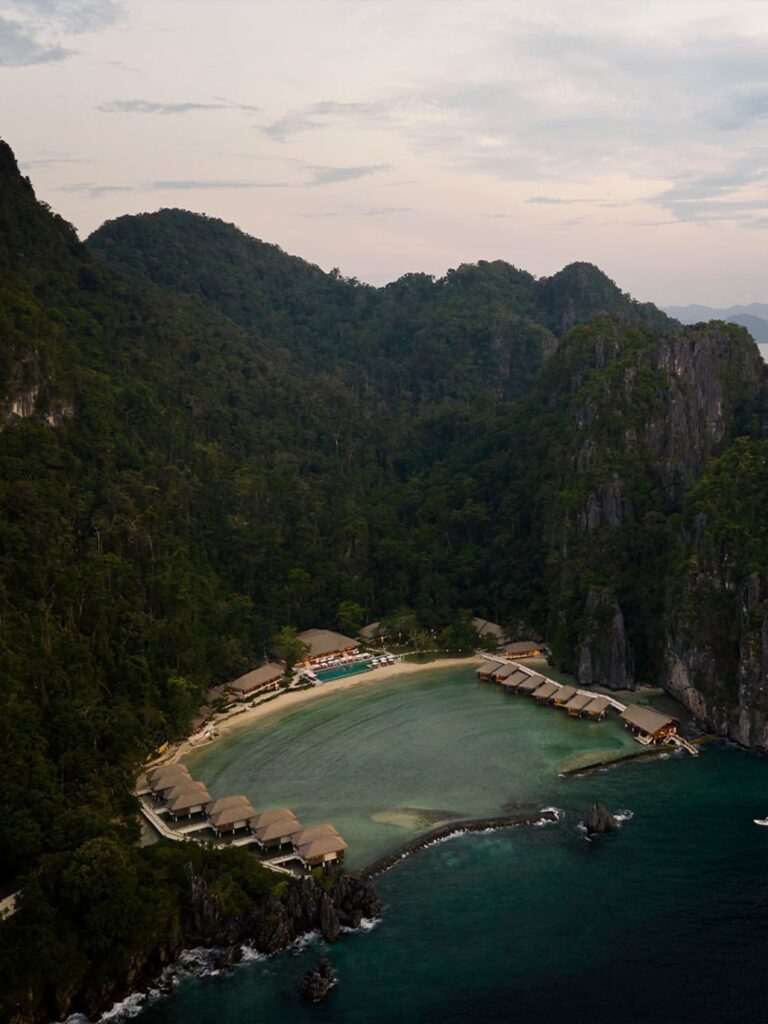
On a sunny day in El Nido, the limestone cliffs rise straight out of Bacuit Bay. At their feet, the mangroves stand in the shallows, their roots in the tide. People in the Philippines have loved this place for a long time, and it has long been one of the country’s most treasured coastal landscapes.
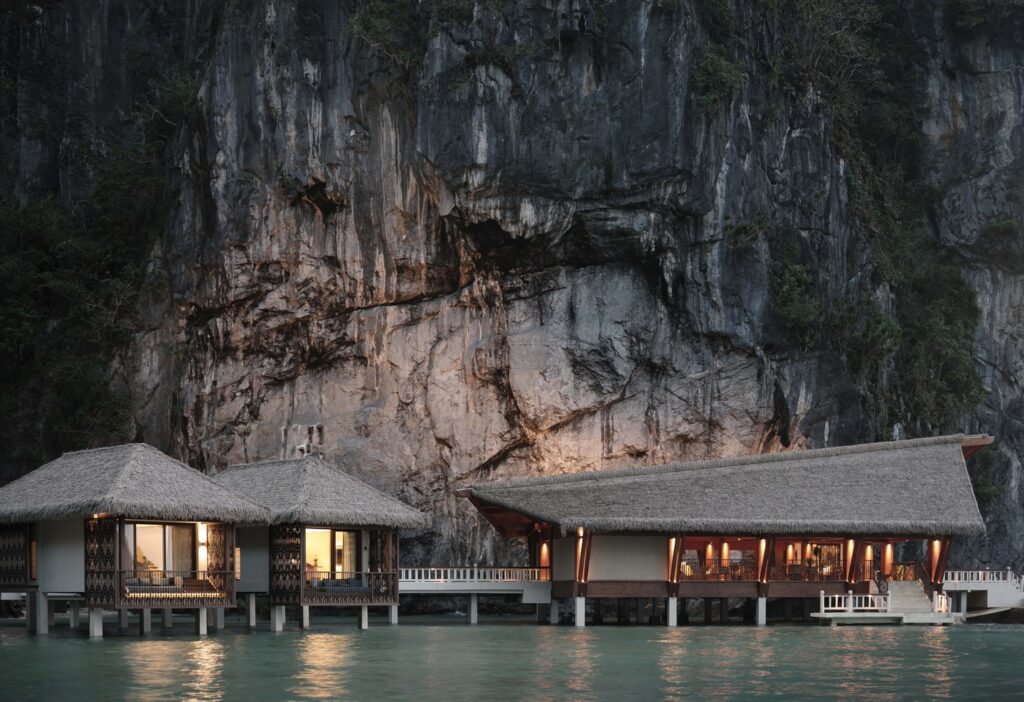
WATG, the global architecture and design firm, took on the renovation of Lagen Island Resort in Palawan with its interior studio, Wimberly Interiors. The 63,900-square-meter island sits within the El Nido Resorts portfolio of Ayala Land Hospitality, a leading Filipino developer of hotels, resorts, and eco-luxury destinations across the country. Long before the renovation, Lagen was already one of El Nido’s established island retreats, set between tropical forest, green lagoon, and limestone cliffs, its rooms and villas arranged around the quiet drama of the bay. Its identity was already inseparable from the surrounding nature and marine life.
Courtesy of El Nido Resorts Lagen Island; design by WATG.
The renovation was delicate as WATG was not working with an empty site. It was working with a place that already carried memory and environmental meaning. The resort had been built more than two decades earlier, and now the asset had aged. The opportunity was for WATG to bring Lagen Island Resort forward, lifting the guest experience to the level of the island without making the intervention feel newly imposed.
WATG gave its team a role that was both strategic and emotional. The team called themselves the Guardians of Lagen Island.
“Our goal was to celebrate the legacy of the place and at the same time, reawaken the resort’s cultural, natural and spiritual connection to the island,” says Chiara Calufetti-Lim, Principal and Studio Director of WATG, who led the project.
Courtesy of El Nido Resorts Lagen Island; design by WATG.
Preservation as the Design Strategy
A beautiful setting and warm service are no longer enough to attract today’s luxury travelers. Their evolving tastes mean asking for comfort without heaviness, the feeling of discovery with the reassurance of a resort that runs well. Lagen already had that sense of discovery. WATG’s task was to give it the hospitality logic to meet that expectation.
For WATG, preservation became a design method in its own right. On an eco-sensitive project like this, the most important decision is about what to keep and what to let go. That became the discipline behind the renovation.
WATG’s Advisory practice began with research and a full audit of the property, from guest-facing spaces to operations. The finding was direct. The site was world-class, but the experience had not caught up. The question became how to activate a marine and mangrove setting that already belonged among the world’s most remarkable island landscapes without overbuilding it. The strategy that followed let the island drive the experience, using informal luxury to raise the sense of comfort and value while treating conservation as the main point.
Courtesy of El Nido Resorts Lagen Island; design by WATG.
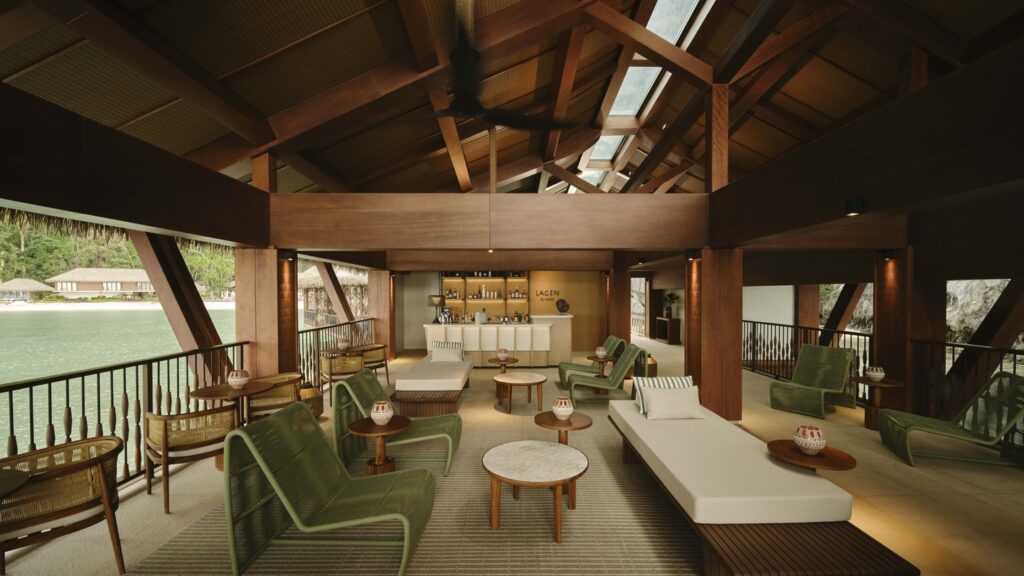
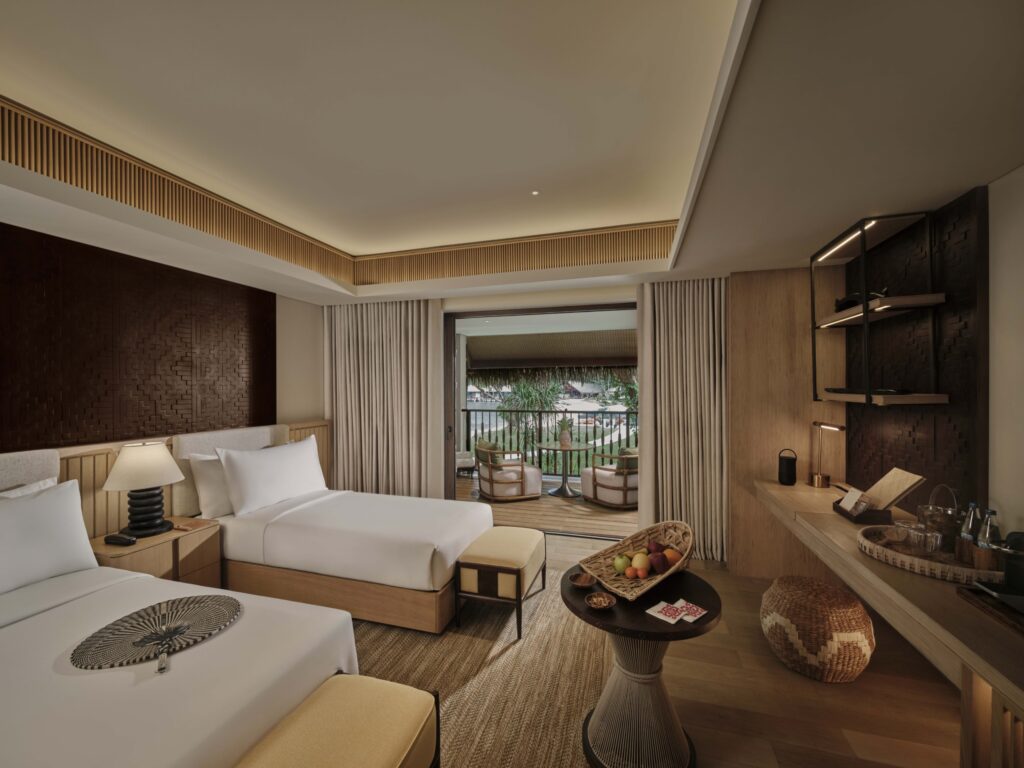
The existing narra wood flooring was lifted and reset as wall paneling, so a beautiful material kept its place in the building and added a layer to the resort’s story. The architecture followed the same logic. Original structures were retained and adapted where they could be, which cut demolition and environmental disturbance. The design vocabulary draws on the living crafts of Palawan, from weaving traditions to carved details inspired by local culture.
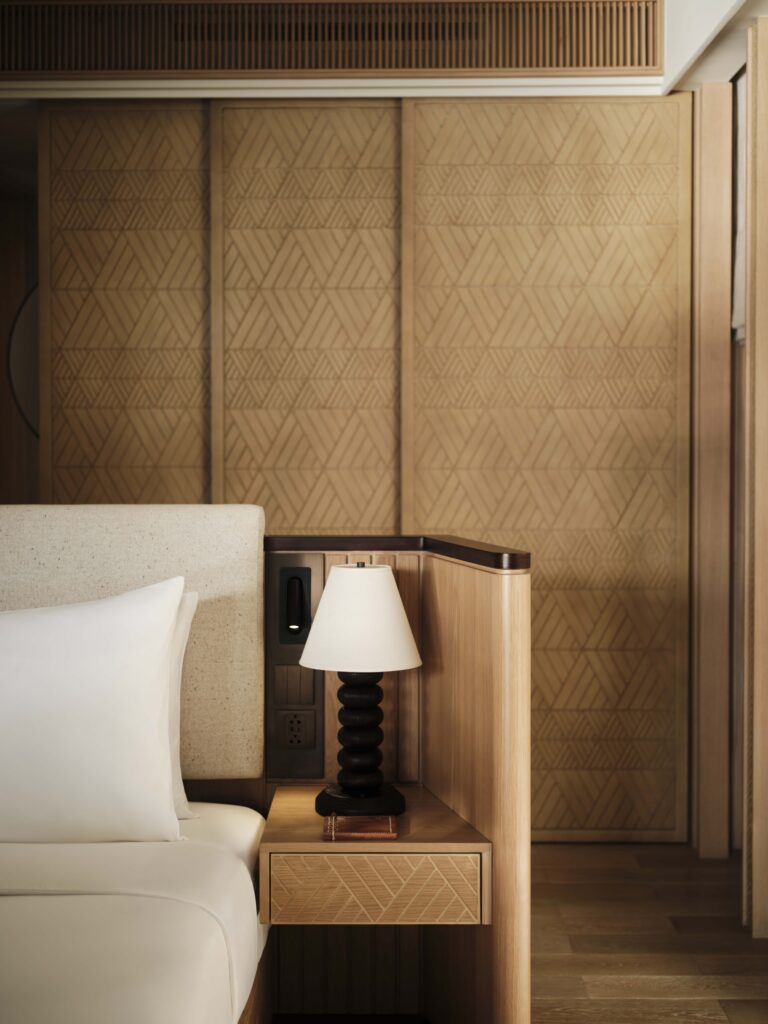
Courtesy of El Nido Resorts Lagen Island; design by WATG.
This matters now because Philippine tourism is at a turning point. The Department of Tourism is leaning on the country’s deep domestic market through its 2026 Discover More to Love campaign, while the National Tourism Development Plan for 2023 to 2028 sets a wider ambition for an industry rooted in Filipino heritage and sustainability. The challenge is to convert natural beauty into higher-value travel and stronger international recognition without losing the character that made the place valuable to begin with. Lagen is a useful model for that. It suggests that higher-value travel does not always require more building. Much of it can come from better use of what is already there.
WATG understood the emotional stakes. “Lagen is a legacy property, and its renewal is, in many ways, a passing of the torch,” says Christine Chung, an Associate Principal at the firm. “Our role is not to redefine its identity, but to steward it forward with care and clarity.”
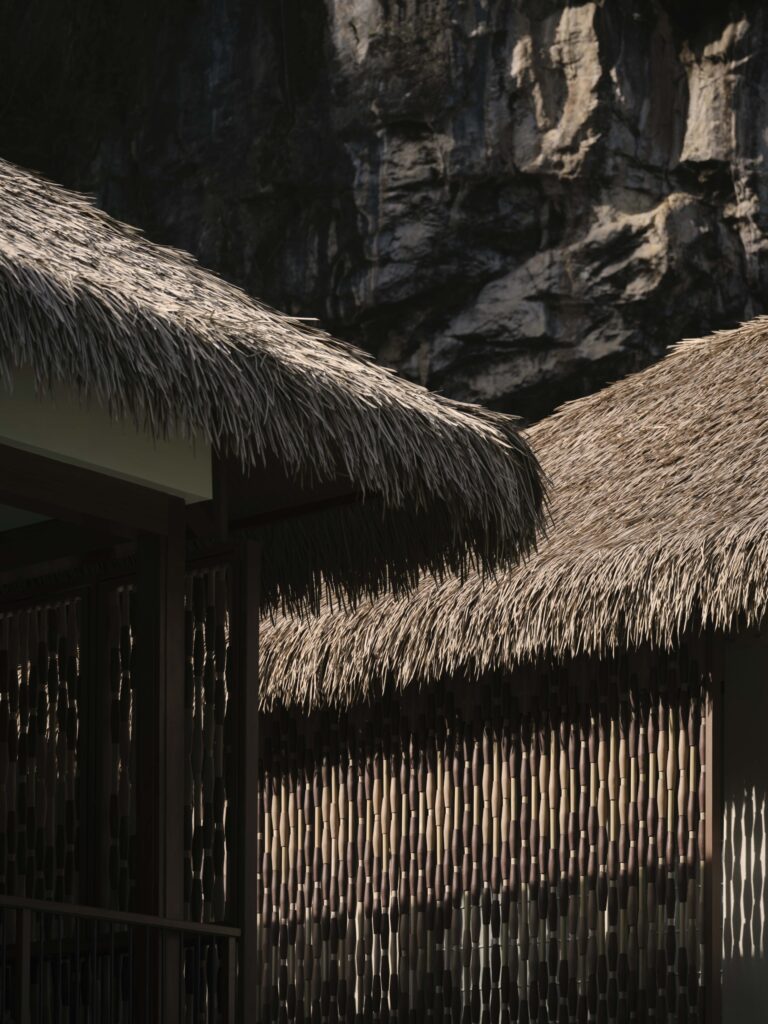
Courtesy of El Nido Resorts Lagen Island; design by WATG.
This is the quiet strength of preservation-first luxury. It does not freeze a place in time. It allows the place to move forward without cutting it off from the memories people have attached to it.
At Lagen, the island is still the author. The cliffs are still the cliffs. The forest still presses close to the shore. In WATG’s hands, Lagen is able to hold its natural and local character with great confidence, carrying a beloved Filipino destination into a more sophisticated era of travel.
The Essentials
Lagen Island Resort occupies a 63,900-square-meter island in Bacuit Bay, El Nido, Palawan, and forms part of the El Nido Resorts portfolio of Ayala Land Hospitality. The resort first opened more than two decades ago and reopened after renovation in 2026, with 42 rooms and villas. WATG led the architecture and design at Lagen, with interiors by its studio Wimberly Interiors. WATG Advisory carried out the research and property audit behind the strategy, and Chiara Calufetti-Lim, Principal and Studio Director at WATG, led the project.